
A money order and a cashier’s check both require careful payee, cost and safety checks.
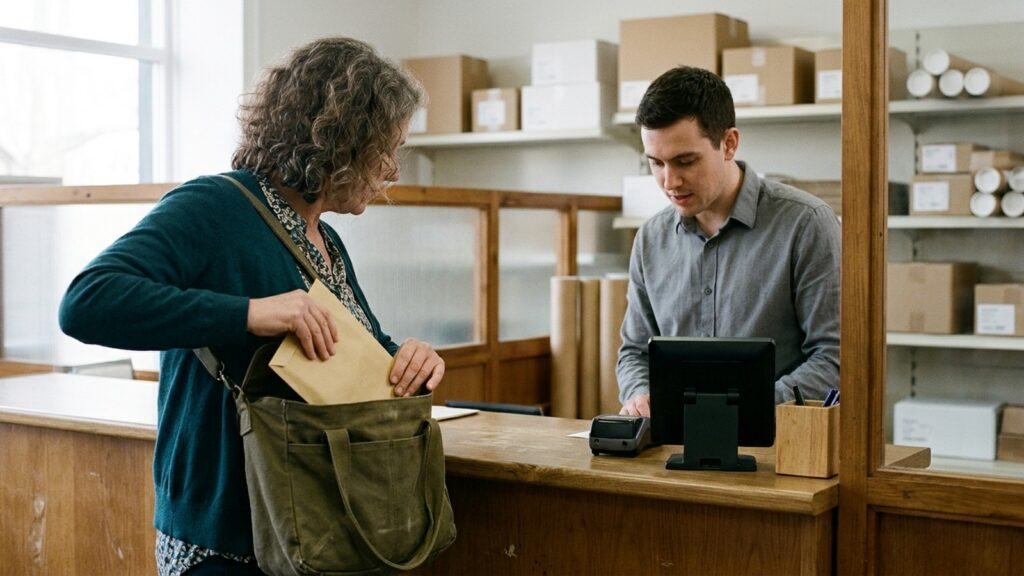
A landlord, seller or service provider may ask for a payment other than a personal check. Before buying anything, confirm exactly which instrument is accepted, the payee’s legal name and the amount. A money order is not automatically interchangeable with a cashier’s check.
Both generally involve paying upfront, but they differ in who issues them, purchase limits, costs and what happens if the paper is lost. The right choice depends on the recipient’s requirements and your practical ability to obtain and deliver the payment safely.
Separate the issuer from the place you buy it
A money order is a prepaid payment instrument available from issuers such as the Postal Service and commercial providers. A store may sell one on an issuer’s behalf. Ask which company is responsible for tracing or replacing it, rather than assuming the shop handles every later problem.
A cashier’s check is drawn on the issuing bank itself. You generally fund the amount and pay the bank’s fee when obtaining it. Access can depend on the institution’s policies, including whether it serves noncustomers and what identification or funding method it accepts.
The Office of the Comptroller of the Currency explains in its cashier’s-check guidance that the check is drawn directly on the bank, not on your personal account. That does not mean every piece of paper labeled “cashier’s check” is authentic.
Match the amount to the available limits
The Postal Service’s domestic money-order instructions allow up to $1,000 on a single domestic order. Other issuers set their own terms, so do not apply that limit to every money order sold in the United States.
For a larger payment, ask the recipient whether multiple money orders are acceptable. Buying several can add fees and paperwork, and an issuer may have additional identification or transaction requirements. Do not split payments to avoid required reporting or verification.
A cashier’s check may be more practical for a large amount, but confirm the bank’s procedures in advance. Ask how funds must be available, whether an appointment is needed and whether the instrument can be issued that day. A planned closing or deposit deadline should not depend on a last-minute assumption.
Compare total cost without relying on an old fee
Check the issuer’s current purchase fee immediately before buying. A bank account package may include a fee waiver, while another institution may charge for the same service. There is no single universal cashier’s-check price.
For money orders, compare the fee for the exact amount and the number of instruments required. Consider travel and delivery costs if obtaining a cheaper instrument requires a separate trip. Also ask about tracing, refund and replacement fees, which can matter more than the initial saving.
Verify the accepted funding method. USPS instructions specify cash or a debit card and do not permit buying its money orders with a credit card. Other sellers’ rules differ. If a credit card is accepted elsewhere, investigate how the issuer would classify the purchase and what charges might follow.
Complete the payee information before handing it over
Obtain the recipient’s exact name through a trusted channel. For a business payment, confirm whether it should be payable to the company or another authorized entity. A hurried message changing the payee can be a warning sign, especially in a property or high-value transaction.
Review the amount in words and figures, the payee and any necessary reference before leaving the counter. Ask the issuer how to correct a mistake rather than crossing out information or altering the instrument yourself.
Keep the purchase receipt and identifying details securely. A photograph for your own records may help, but do not send an unrestricted image containing payment details to strangers. Separate the receipt from the instrument so a single lost envelope does not remove both.
Plan for loss before it happens
Prepaid does not mean easily reversible. USPS says you cannot stop payment on a postal money order, although a lost or stolen order may be replaced after its inquiry process. Its published instructions describe documentation, investigation and possible fees.
For a cashier’s check, ordinary stop-payment assumptions also do not apply. Contact the issuing bank immediately if it is lost, stolen, destroyed or suspected to be fraudulent. Ask about the specific replacement process, documentation and possible waiting period.
Do not promise the recipient an immediate replacement until the issuer confirms what is possible. Issuing another payment too quickly can create the risk of paying twice if the original is later presented. Follow the issuer’s documented instructions and retain the case reference.
If you receive the payment, verify it independently
A bank logo, watermark or official-looking format is not enough. Criminals can counterfeit cashier’s checks and money orders. Obtain the issuing institution’s contact details independently rather than calling a number printed on a suspicious instrument.
The FTC’s fake-check warning explains that banks may make deposited funds available before discovering a counterfeit. Seeing a balance in your account is not proof that the payment is genuine or that you can safely send part of it elsewhere.
Reject arrangements that ask you to accept more than the agreed amount and return the difference. The same pattern appears in online sales, fake jobs, prizes and supposed mystery-shopping assignments. A request to forward money by wire, gift card or cryptocurrency is not made safe by a cashier’s-check label.
For a high-value in-person transaction, consider arranging verification at the issuing institution if it can accommodate you. Ask your own bank about the risks before releasing goods. No fixed number of waiting days is a universal substitute for knowing and trusting the transaction.
Make the handoff traceable
Use an appropriate delivery method and keep evidence of handoff or mailing. Confirm receipt with the actual payee, especially when a deadline matters. Tracking can show an envelope arrived without proving that the correct account received credit, so obtain payment acknowledgment too.
If fraud is suspected, contact your bank and the issuer promptly. Preserve the messages, instrument image and receipts, and report the incident through the appropriate official channels. Recovery may be difficult; do not pay another fee to someone promising guaranteed reimbursement.
The decision starts with the recipient’s verified requirements and ends with a documented payment. Between those points, compare limits, purchase cost and replacement procedures. The safest instrument is not the one with the most official-sounding name, but one you obtain, complete and deliver through a transaction you have checked.

 Joint Bank Accounts: Set Rules Before Sharing Access
 11 Long-Term Investing Habits Worth Developing
 14 Investment Mindsets That Pay Off Long-Term